
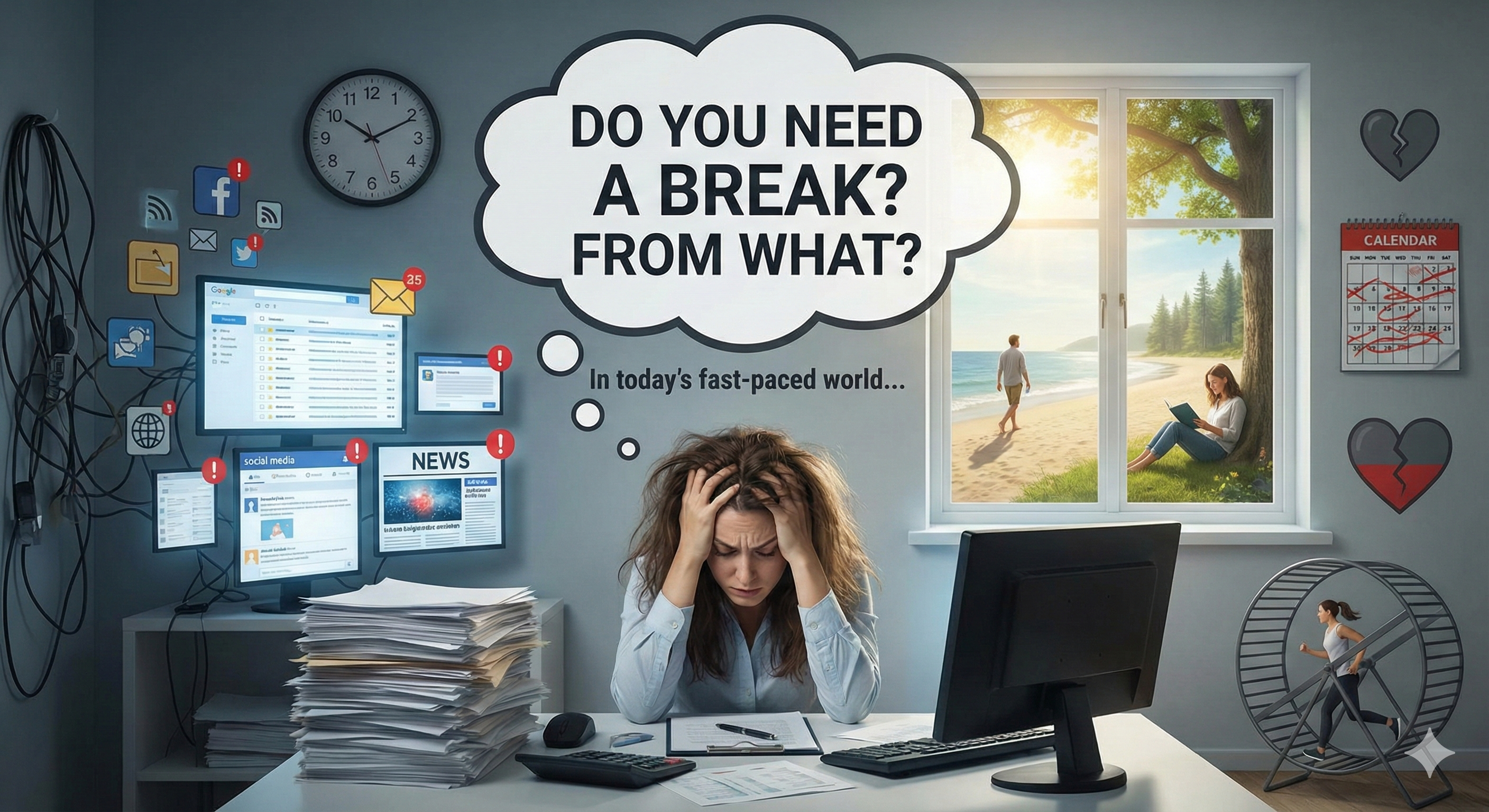
Do you need a break? From what?
In today’s fast-paced world, the question “Do you need a break?” often feels like a gentle nudge rather than a simple inquiry. Many of us are caught in a relentless cycle of responsibilities, whether it’s work, family, or personal goals, leaving little room for pause. This article explores the importance of recognizing when you need a break, what you might need a break from, and how stepping back can ultimately improve your well-being and productivity.

The Signs You Need a Break
Our bodies and minds are remarkably adept at signaling when something is off, yet we often ignore these cues. Physical exhaustion, such as persistent fatigue, headaches, or difficulty sleeping, can be a clear indicator that you’re pushing too hard. Mental fog, where you struggle to focus or make decisions, is another sign that your brain is pleading for rest. Emotionally, feelings of irritability, anxiety, or a lack of motivation can suggest that stress has taken a toll. If you’re noticing these symptoms, it’s time to ask yourself what’s driving them.
Beyond personal health, your performance in daily tasks can also reveal the need for a break. Are you making more mistakes at work? Do you feel disconnected from loved ones? These are not just temporary lapses but potential red flags that you’re overextending yourself. Recognizing these signs early can prevent burnout—a state of complete emotional, mental, and physical exhaustion that’s much harder to recover from.
What Do You Need a Break From?
The source of your stress or exhaustion can vary widely depending on your lifestyle, but here are some common culprits:
- Work Overload: For many, the workplace is the primary source of stress. Tight deadlines, long hours, and the pressure to perform can leave you feeling drained. If you’re constantly checking emails after hours or skipping meals to meet targets, you likely need a break from the grind of professional demands.
- Digital Overload: In the age of smartphones and social media, we’re bombarded with notifications, news, and endless scrolling. This digital fatigue can strain your eyes, disrupt your sleep, and overwhelm your mind with information. A break from screens—perhaps a digital detox—can help reset your focus.
- Emotional Strain: Relationships, whether familial, romantic, or social, can sometimes be exhausting. If you’re dealing with conflict, caregiving responsibilities, or simply overextending yourself to please others, you might need a break from these emotional demands to recharge your empathy and patience.
- Personal Expectations: Sometimes, the pressure comes from within. Setting unrealistic goals, striving for perfection, or comparing yourself to others can create a mental burden. Taking a break from self-imposed expectations allows you to reassess what truly matters to you.
- Routine Monotony: Even if your life isn’t particularly stressful, the monotony of a repetitive routine can sap your energy. If every day feels like a carbon copy of the last, a break from the usual—perhaps through a change of scenery or trying something new—can reignite your enthusiasm.
Why Taking a Break Matters
Breaks are not a luxury; they’re a necessity for long-term health and productivity. Studies have shown that stepping away from stressors, even briefly, can lower cortisol levels (the stress hormone), improve mood, and enhance cognitive function. A break can be as simple as a 10-minute walk to clear your head or as significant as a week-long vacation to disconnect entirely. The key is to give yourself permission to pause without guilt.
Moreover, breaks foster creativity and problem-solving. When you’re stuck in a cycle of overwork or stress, your perspective narrows, and solutions seem elusive. Stepping back allows your brain to process information subconsciously, often leading to “aha” moments. For instance, many artists and innovators report that their best ideas come during moments of rest, not intense focus.
How to Take a Meaningful Break
Not all breaks are created equal. A meaningful break aligns with what you’re escaping from and what you need to restore. If you’re overwhelmed by work, consider setting boundaries like unplugging after a certain hour or delegating tasks. If digital overload is the issue, try a screen-free evening or weekend, focusing on tactile activities like reading a physical book or gardening.
If emotional strain is weighing you down, communicate your needs to loved ones and carve out time for solitude or self-care. Journaling, meditation, or even a quiet cup of tea can help you process feelings without external pressure. For those trapped by monotony, small changes—like exploring a new hobby or taking a day trip—can break the cycle without requiring major life upheavals.
Addressing the Question: Do I Need a Break? From What?
To answer this personally, reflect on your current state. Are you feeling overwhelmed, uninspired, or physically unwell? Pinpoint the source—whether it’s a demanding job, constant connectivity, or internal pressures. For me, as I write this, I realize I often need a break from digital saturation. Hours spent researching and typing on a screen leave my eyes strained and my mind buzzing, so I’ve started scheduling short walks outside to reset.
Your answer might differ. Perhaps you need a break from a toxic workplace dynamic or the weight of caregiving. Or maybe it’s simpler—a break from the same four walls you’ve stared at for months. Whatever it is, naming the source empowers you to address it directly.
Overcoming Barriers to Taking a Break
One of the biggest obstacles to taking a break is guilt or fear of falling behind. Society often glorifies “hustle culture,” where rest is seen as weakness. But remember that rest is not laziness—it’s a strategic tool for sustainability. If you’re worried about work piling up, start small with micro-breaks or negotiate time off with clear communication about your needs.
Another barrier is not knowing how to rest. If you’re used to constant activity, sitting still might feel uncomfortable. Experiment with active rest—like light exercise or creative pursuits—that keeps you engaged without draining your energy. Over time, you’ll find what replenishes you most
Long-Term Strategies to Prevent Burnout
While breaks offer immediate relief, long-term balance requires proactive changes. Set realistic boundaries around work hours and screen time. Build a support system—friends, family, or professionals—who can step in when you’re overwhelmed. Regularly reassess your priorities to ensure you’re not overloading yourself with unnecessary commitments.
Mindfulness practices, such as meditation or gratitude journaling, can also help you stay attuned to your needs before they become urgent. Think of breaks as part of a larger self-care toolkit, not just a reaction to crisis but a preventative measure

Leave a Reply